

from NYC's finest kitchens to our newest guest chef: welcome Harrison
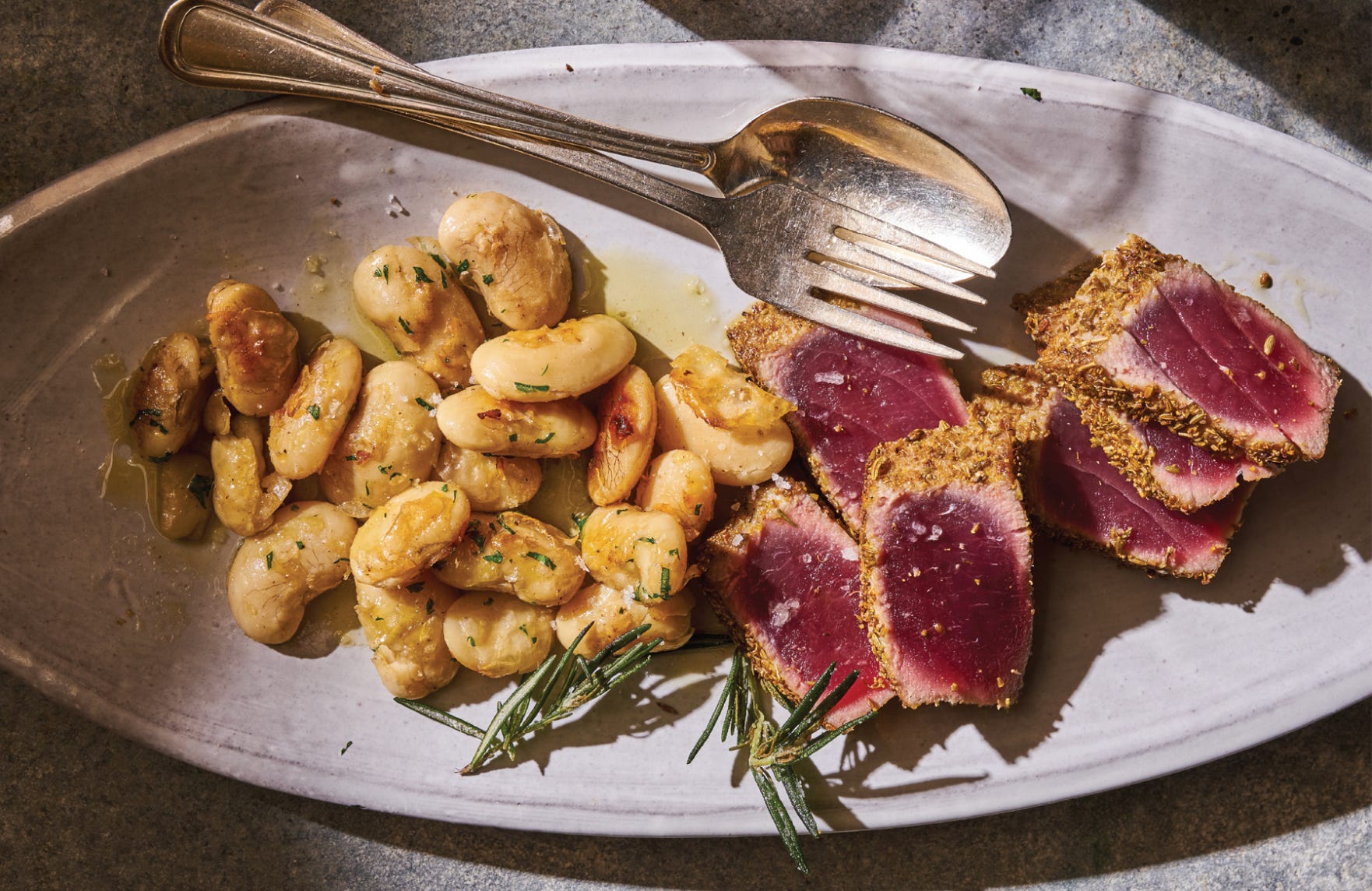
don't miss his special recipe, adapted from Il Buco: tuna crusted in fennel pollen with corona beans, YUM!


I’m in El Paso, Texas this weekend with my daughter Camille, who is taking her MCATs after months of studying. This is such a delightful full-circle moment, since I vividly remember when my husband, Dr. B, sat for his MCATs 35 years ago! While I’m away, I’m thrilled to have a special guest joining us: Chef Harrison the mastermind behind The Secret Ingredient, a weekly newsletter dedicated to adapting hit restaurant recipes for easy home cooking.
Harrison is an ex fine dining line cook born, raised, and based in NYC. His journey from working in the high-pressure kitchens of NYC's finest restaurants to sharing culinary secrets with a wide audience is a testament to his passion for food and his mission to make great meals accessible to all.
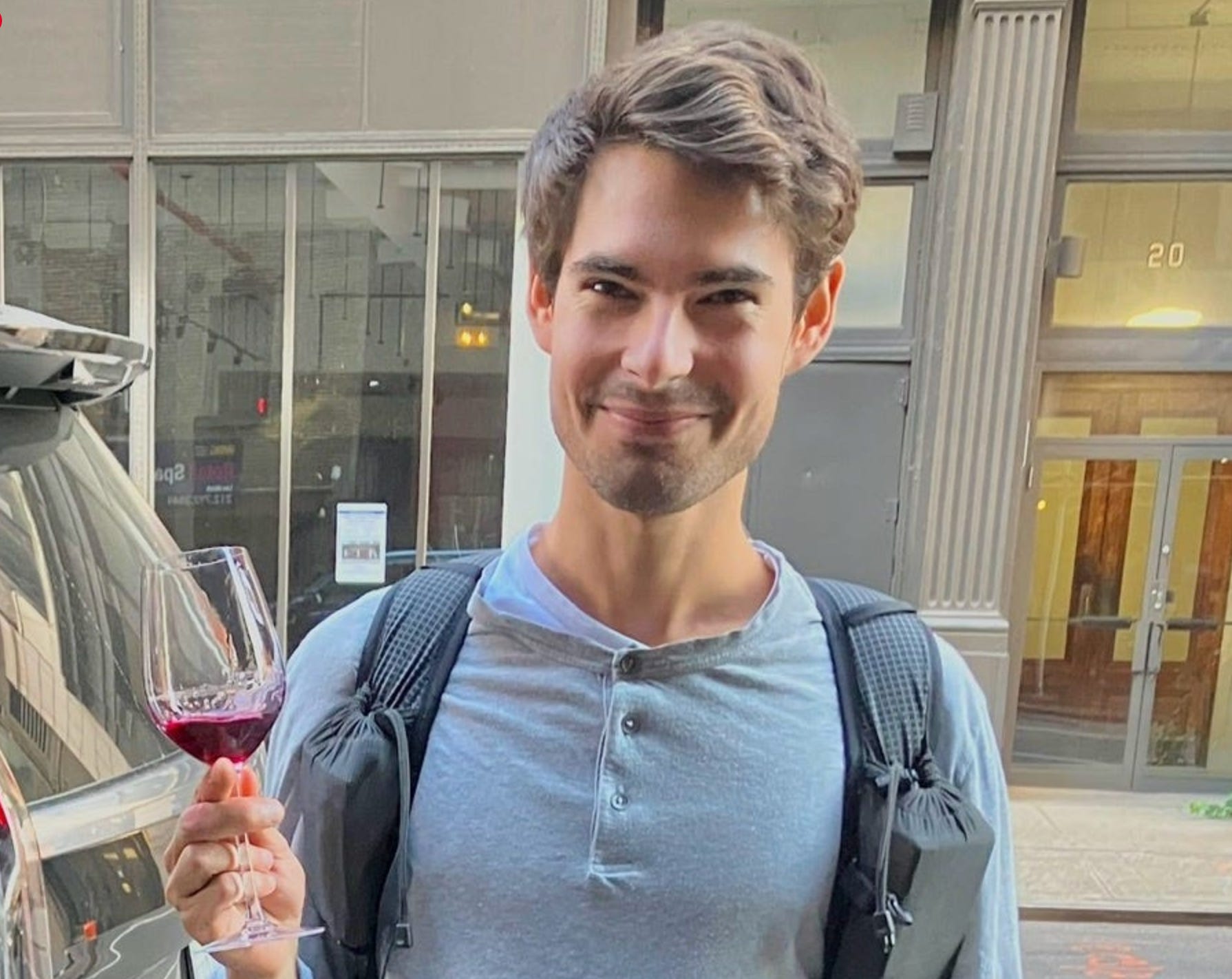
Join us as we dive into his culinary philosophy, most memorable meals, and the secret ingredients that make his cooking (and cooking in general) so special.
Stick around for his adapted Il Buco recipe: Seared tuna crusted in fennel pollen with creamy corona beans, and download the recipe below.

What's the story behind "The Secret Ingredient"? What made you decide to start demystifying restaurant recipes for home cooks?
I began working in bars during the pinnacle of the craft cocktail renaissance, then became a line cook at lauded NYC restaurant and pasta heaven Misi. As an outsider with zero culinary training, I was motivated by my desire to pull back the curtain on the secrets of the food I loved to eat. Now, I’m on a mission to help home cooks do the same.
What's been your most memorable meal? What made it so special?
I’ll give you two: my most delicious and most fun.
Most delicious: I had a standout dinner last year at California cuisine restaurant Gjelina. I ate their pizza with chanterelle mushrooms & truffle studded goat cheese, arugula salad with crispy shallots and shallot oil-sherry vinaigrette, lemon shaker pie, and fennel gelato.
Most fun: My friend took me to this hole in the wall dumpling counter in Chinatown, NYC. The lady who ran it spoke no English, and I myself cannot speak a lick of Mandarin. The lady tried to upcharge me her typical rate, which my friend noticed because her native language is Mandarin. Then the shop owner and my friend had this tense, guns ablazing, back-and-forth negotiation over the price of my dumplings. It was an amusing kerfuffle at a time when dining out feels quite frictionless.
What type of food are you most drawn to, and has that influenced your cooking style?
I am most drawn to regional Italian and California cuisine.
My cooking philosophy is as follows: do the least possible to the best possible ingredients. This paradigm places an emphasis on ingredient sourcing rather than in-kitchen, cheffy manipulation. I also subscribe to Michael Pollan’s adage: “don’t eat anything your great-great grandmother wouldn’t [have] recognized as food.”
What advice would you give someone who feels intimidated by cooking or thinks they're "bad" at it?
The most rewarding thing I did when I was learning fundamentals was ask my family and friends to share a meaningful recipe with me. I compiled these into a DIY family cookbook—a work in progress to this day. So now, whenever I feel intimidated or uninspired, I can try my hand at the lemon almond birthday cake my mom bakes me every year, or my neighbor’s homemade pesto. By preserving our cherished family memories, we’re affirming that cooking is a communal, social ritual. I recommend you start a family cookbook!
What's one "secret" from restaurant kitchens that home cooks would be surprised to learn?
You may be surprised to hear that restaurants set pars on their menu, essentially gambling on how much each dish will be ordered on a given night in order to streamline labor and avoid producing waste. So for example, a steakhouse serving 100 patrons a night won’t have 100 porterhouse steaks ready to be fired. They’ll use data from the past to inform how popular they expect each dish to be. In the high profile restaurants I’ve cooked in, we’re always thinking about creative ways to sync up supply and demand.
If you could teach a home cook only one fundamental technique that would transform their cooking, what would it be and why?
Knife skills are a game changer. I recommend sharpening your knife routinely and experiment with the grip and firmness with which you hold your knife.
Outside of cooking and food, what are you passionate about?
If anything rivals my love of food, it's adventure sports, particularly through hiking, skiing in all its forms (cross country, alpine, water skiing), kayaking, and bikepacking. Film photography is the way I like to document my adventures, whether that be my thru hikes of the Appalachian Trail, Pacific Northwest Trail, or when I built my own wooden sea kayak and paddled the Saguenay River in Quebec, Canada, alongside beluga whales. Check out my adventure photography portfolio!

What's your go-to comfort food when you've had a long day?
My quintessential comfort food is a piping hot bowl of proscuitto-filled tortellini in brodo.
What are 5 things you're currently loving?
I love cooking to music, especially bossa nova!
Fennel pollen (even sprinkled on ice cream)
Brooklyn cafe DAE’s Korean decaf beverages
Il Buco’s annual Pig Roast on Bond Street in NYC. This year it’s on Sunday, September 21st!
I love these wooden cutting boards and utensils I found at a farmers market

Recipe: Seared tuna crusted in fennel pollen with creamy corona beans
Adapted from restaurant Il Buco
Ingredients (serving size: 4)
2 cups dried corona beans
4 garlic cloves (2 whole and 2 minced)
2 sprigs of rosemary
2 teaspoons sea salt, divided, plus more to finish
3 tablespoons extra virgin olive oil, divided, plus more for drizzling
12 ounces ahi big eye tuna (sushi grade)
3 tablespoons fennel pollen (stocked at Il Buco Alimentari & Vineria)
4 bay leaves
Method
Soak the corona beans in 6 cups of cold water overnight, or at least 8 hours.
When ready to cook the beans, drain them and place them into a large pot, along with the bay leaves, 2 whole garlic cloves, rosemary, and 1 teaspoon of salt. Add water until the beans are covered and bring to a boil over medium heat. Once boiling, turn down to a simmer and cook uncovered until the beans are tender, about 40 to 45 minutes. Drain the cooked beans, discarding the liquid and aromatics.
In a small sauté pan over medium heat, heat 2 tablespoons of the olive oil until shimmering. Add the minced garlic, stirring until golden but not browned. Add the corona beans, giving them a good blister in the pan, then turn off the heat and toss to coat. Set aside.
Generously salt the tuna with the remaining teaspoon and dust with fennel pollen on all sides. Place a sauté pan over medium-high heat and add the remaining 1 tablespoon of the olive oil. Sear the tuna, turning once, until a golden crust forms, 1 to 2 minutes per side.
To serve, slice the seared tuna into four portions and arrange next to the corona beans. Garnish with a drizzle of olive oil and a sprinkling of sea salt.
Read the story behind this recipe:

Thank you, Harrison, for joining Nest Wellness and offering us a peek inside your world—and recipes!
Together, we're building a community focused on real food and metabolic health. If you enjoyed this post, please “like” and “restack” to help others find their way to better health, too!
Thank you for being here,

Download today’s recipe:

Invite your friends and earn rewards!
If you enjoy Nest Wellness, share it with your friends and earn rewards when they subscribe!
 | A guest post by
|