

regenerative farming, explained
Steve Sabicer on what the label really means, and how to start sourcing better meat and produce


I first crossed paths with Steve Sabicer, the writer behind Enlightened Omnivore, through our shared curiosity about continuous glucose biosensors. Steve wore one himself and, like me, found it reshaped everything he thought he knew about food. But where my path led toward blood sugar and metabolic health, his led somewhere I find just as fascinating: soil, farmers, and the whole ecosystem behind what ends up on our plates. A former butcher and restaurateur turned food writer, Steve asks better questions than most people in this space, not "what should I eat" but "how was this actually raised, and by whom."
I asked him to walk us through regenerative agriculture in plain terms: what the label actually means, how it differs from organic or grass-fed, where to buy it without overhauling your entire grocery list overnight, and how to spot the real thing versus good marketing. If you've ever stood in front of a meat case feeling a little lost, this one's for you.
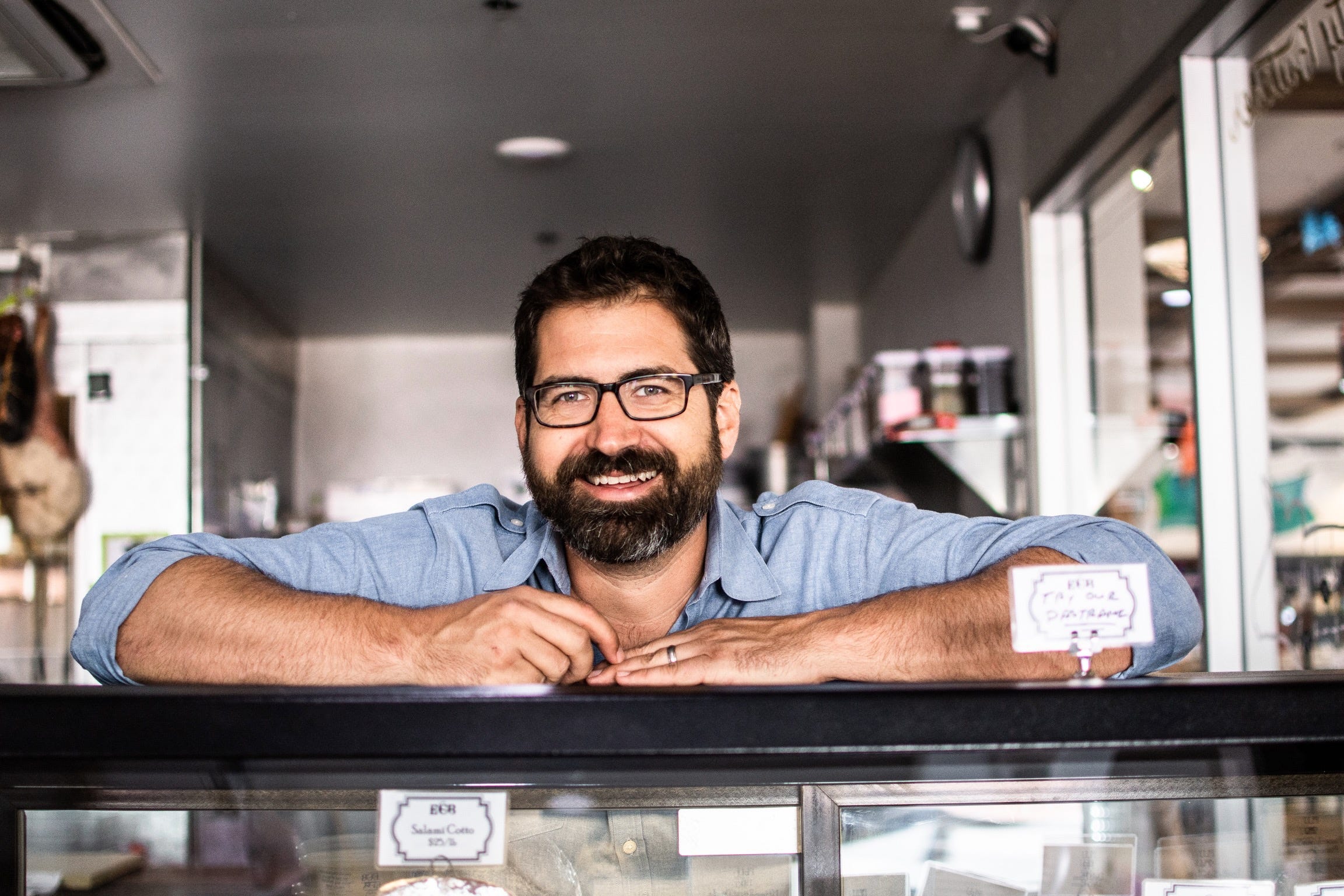
meet Steve Sabicer
Beth: For readers meeting you for the first time—tell us a little about who you are and what led you to care so deeply about how our food is raised and grown.
Steve: I’m a former butcher, restaurateur, recovering public relations executive and now food writer who somehow found himself asking increasingly strange questions about dinner.
My curiosity started with cooking. Then it became about ingredients. Then farmers. Then ecology. Eventually I realized that every meal connects us to an astonishing web of relationships between soil, microbes, plants, animals, water, climate, culture, and people. Food stopped being something I simply consumed and became one of the most fascinating ways I can understand the world.
That’s why I started writing The Enlightened Omnivore. I’m less interested in telling people what they should eat than helping them become more thoughtful eaters.
Beth: Your CGM experiment was a turning point in how you think about food. Did it also change how you think about food quality—not just what you eat, but how it’s produced?
Steve: Absolutely.
One of the biggest lessons from wearing a continuous glucose monitor was that nutrition is highly personal. The foods that spiked my blood sugar weren’t always the foods I expected. That experience made me much less interested in broad dietary rules and much more interested in asking better questions.
It also reminded me that our health doesn’t exist in isolation. The quality of the food we’re eating begins long before it reaches our plate. Healthy people ultimately depend on healthy soils, healthy ecosystems, and healthy farming communities.
A CGM helped me understand what was happening inside my body. Learning about regenerative agriculture helped me appreciate everything happening outside of it.
regenerative vs. organic vs. grass-fed: what's the difference
Beth: Let’s define terms simply: what does “regeneratively raised” actually mean? How is it different from “organic,” “grass-fed,” or “pasture-raised”?
Steve: This is where people understandably get confused because these terms overlap but aren’t interchangeable.
Organic primarily tells you what wasn’t used—certain synthetic pesticides, fertilizers, and genetically engineered crops. Grass-fed refers to what cattle eat. Pasture-raised generally describes where animals spend much of their lives.
Regenerative agriculture asks a much broader question: Is this farm or ranch leaving the land healthier than it found it? That can include building soil, increasing biodiversity, improving water retention, integrating livestock thoughtfully, reducing tillage, planting cover crops, and managing the entire farm as an interconnected ecosystem. In other words, regenerative isn’t just about producing food. It’s about improving the landscape while producing food.
why it matters—for your plate and the planet
Beth: Why does regenerative agriculture matter—for our own health, and for the bigger picture of soil, animals, and the planet?
Steve: Healthy soil sits at the center of almost everything we care about. Healthy soils hold more water during droughts, reduce erosion during heavy rains, store more carbon, support more wildlife, and often require fewer inputs (like fertilizer and pesticides).
Regenerative practices also improve the nutrient density of the foods we eat.
To me, regenerative agriculture isn’t about finding a magical “superfood.” It’s about investing in an agricultural system that’s better equipped to feed future generations.
Beth: Is there a real, noticeable difference in regeneratively raised meat and produce—in taste, nutrition, or how it makes you feel?
Steve: Taste is where I notice the biggest difference. Animals raised more slowly on diverse pastures often develop richer, more complex flavors. Fresh produce harvested locally at peak ripeness frequently tastes dramatically different than produce bred to survive weeks on a truck. Ranchers see increased nutrient density, especially in poultry and pork.
What I can say confidently is that eating food I know was raised with great care—and whose farming practices I trust—changes my entire relationship with a meal. It makes me cook more carefully, waste less, and appreciate where my food came from.
Beth: What first got you to change where you source your food? Was there a moment, a book, a person?
Steve: There wasn’t one moment so much as a series of them. I read Michael Pollan’s Omnivore’s Dilemma which really started me down the path of asking questions. I also loved his storytelling ability. Then working as a butcher and raising chickens at home gave me first-hand experience with my food system. But the greatest teachers were the farmers themselves. Spend enough time walking a pasture with someone whose livelihood depends on healthy soil, and you begin to see agriculture differently. Everyone should volunteer for a week on a farm. You’ll get a much greater appreciation for what goes into making our food.
Beth: What’s the most common misconception people have about regenerative or “better” meat—for example, that it’s unaffordable or hard to find?
Steve: That it has to be all or nothing. People assume they need to replace everything in their shopping cart overnight or spend twice as much on groceries.
I don’t think that’s realistic. I’d much rather see someone buy one excellent chicken every month from a local farm than feel guilty because they can’t afford to eat that way every day. Progress beats perfection. Every purchasing decision sends a signal about the kind of food system we want to support. You can always take one of my sourcing classes if you’d like to learn how to incrementally improve your meat purchasing habits.
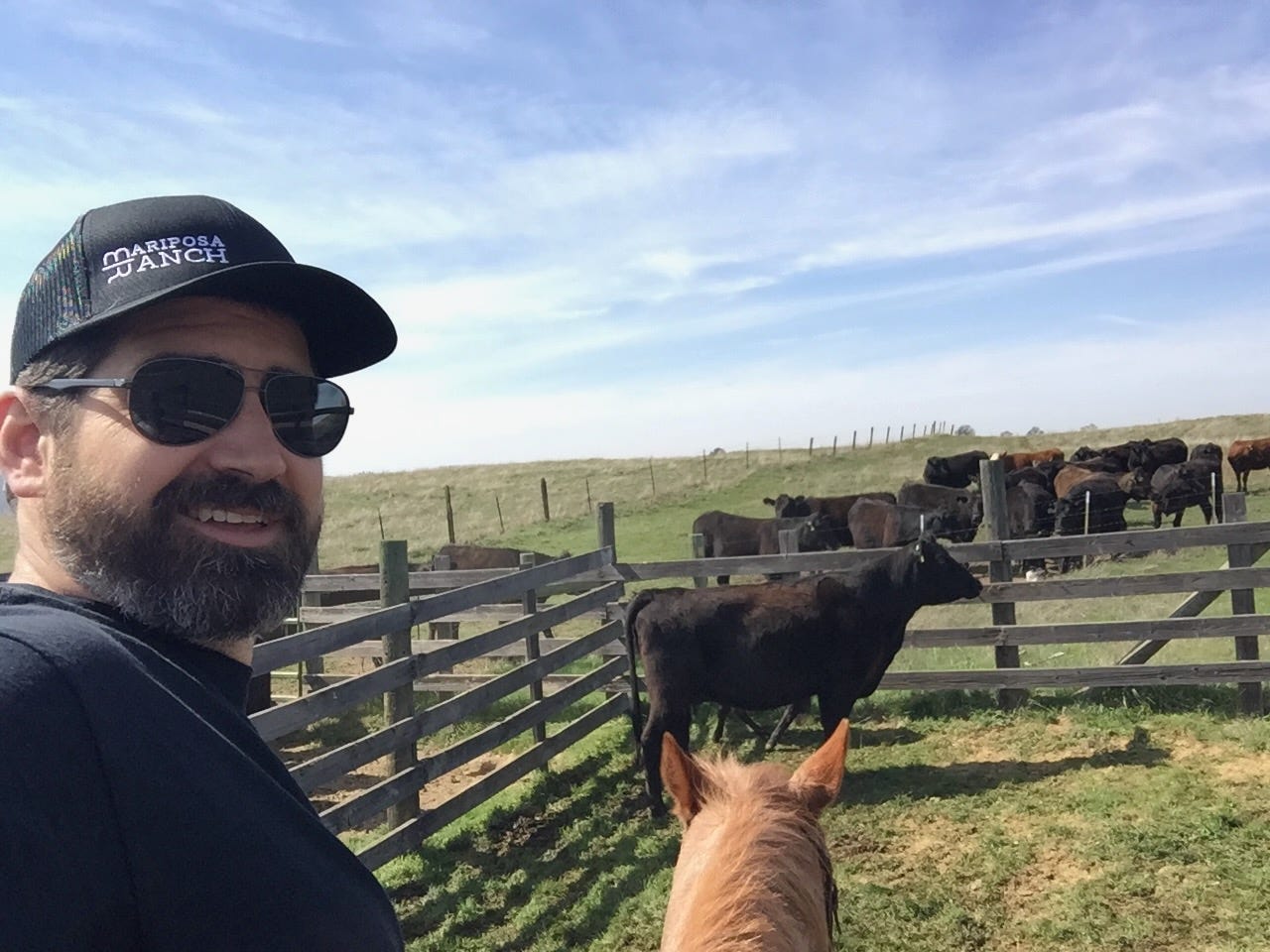
great sources for regeneratively raised meats
Beth: Let’s get practical. If someone wants to start buying regeneratively raised meat, where should they begin? Walk us through your favorite sources.
Steve: Start with 100% grass-fed ground beef, buy pasture-raised whole chicken, heritage breed pork, and wild fish. Although these might not all be regenerative producers, they are the easiest changes you can make to your weekly spending habits. Then consider replacing one more grocery store or butcher shop item each week with something more regenerative. By the end of the year, you will have transformed your grocery list and the regenerative food system.
Beth: What are your go-to online or shippable options for meat—the ones you personally trust and order from?
Steve: There are several companies doing excellent work.
Force of Nature has done a wonderful job introducing regenerative meats to more consumers.
White Oak Pastures and Mariposa Ranch have been practicing regenerative livestock production for decades.
Pasturebird is a great chicken operation.
Porter Road is a great subscription service.
Depending on where you live, you’ll also find remarkable regional ranches and online services that deserve your support.
finding good produce (and farmers you can trust)
Beth: For produce, what should people look for, and where? (Local farms, CSAs, farmers markets, online—whatever you recommend.)
Steve: For produce, I like to support local farmers and CSA programs. Farms that harvest close to when they’re selling. Don’t be afraid to ask questions. Farmers generally love talking about how they grow their food. Also, frozen vegetables aren’t bad either. Often frozen fruits and vegetables are picked just before they’re frozen so they maintain nutrient value for longer. In these situations, buy organic to make sure there are no pesticides or synthetic chemicals.
Beth: How can someone find regenerative sources near them—any tools, directories, or questions to ask a local farmer?
Steve: A few good places to start include the Regenerative Organic Alliance directory, the American Grassfed Association, and Land to Market.
You’re not looking for perfect answers. You’re looking for thoughtful farmers who enjoy explaining what they do.
eating this way without breaking the bank
Beth: For readers watching their budget, how do you make this sustainable? Any tips for eating this way without breaking the bank?
Steve: Buy whole chickens instead of boneless, skinless breasts. Choose inexpensive beef cuts like chuck roast, top round, and flank. Buy meats on sale and grind at home. Or learn to portion your own steaks. Freeze food with aluminium. Cook larger batches.
One of the most sustainable choices isn’t necessarily buying more expensive food—it’s wasting less of the food you already buy.
Beth: What should someone look for—or ask—to know a source is truly regenerative and not just good marketing?
Steve: Marketing tends to focus on labels. Farmers tend to tell stories.
Ask them how they’ve improved their soil over the last five or ten years. Ask what birds, insects, or wildlife they’ve seen return. Ask what challenges they’re still trying to solve.
Real regenerative farmers rarely describe themselves as perfect. They’re constantly experimenting and learning because every season teaches them something new.
Beth: If someone could make just one switch to start—one meat or one product—where would you tell them to begin?
Steve: Chicken. It’s one of the most commonly consumed meats in America, and the difference between conventionally raised chicken and pasture-raised chicken—in flavor, texture, and the animal’s quality of life—is often immediately noticeable.
It’s an easy place to experience why production methods matter.

one small vote
Beth: If readers take away only one thing from this post about how their food is raised, what do you hope it is?
Steve: If readers remember only one thing, I hope it’s this: Every meal is an opportunity to participate in the kind of world we want to create.
None of us will ever shop perfectly. I certainly don’t. But every time we choose to support a farmer who’s rebuilding soil, caring well for animals, and stewarding the land thoughtfully, we’re casting a small vote for the future we hope to leave our children.
Those small votes add up.
follow Steve on Substack
If this conversation left you wanting to go even deeper, that’s exactly the space Steve holds for readers over at The Enlightened Omnivore—his newsletter on food, farming, and the stories behind what ends up on our plates. I’ve learned so much from following his work, and I think you will too.🧡


my takeaways + some regenerative lamb
What stuck with me most is Steve’s line about how a CGM taught him what’s happening inside the body, and regenerative agriculture taught him what’s happening outside of it. That’s exactly how I think about metabolic health too—it’s never just about the plate in front of us, it’s about the whole system behind it. The soil, the animal, the farmer’s choices, all of it shows up on our plates eventually.
I also loved his reminder that this isn’t all-or-nothing. You don’t have to overhaul your entire grocery list this week. Start with one swap—a whole chicken instead of boneless breasts, a CSA box, one better cut of beef—and let it build from there.
Here’s what I’ve noticed in my own kitchen: the better the ingredient, the less you actually have to do to it. A piece of lamb raised slowly on real pasture, or vegetables picked at their peak from the farmers market, already comes with so much flavor and nutrient density built in that it doesn’t need a complicated sauce or an hour of prep to taste incredible. It’s whole food simplicity in action—which is really the whole philosophy I keep coming back to in my own cooking. The goal has never been about making fancy meals. It is about enjoying delicious food that nourishes, protects, and energizes every cell in your body.
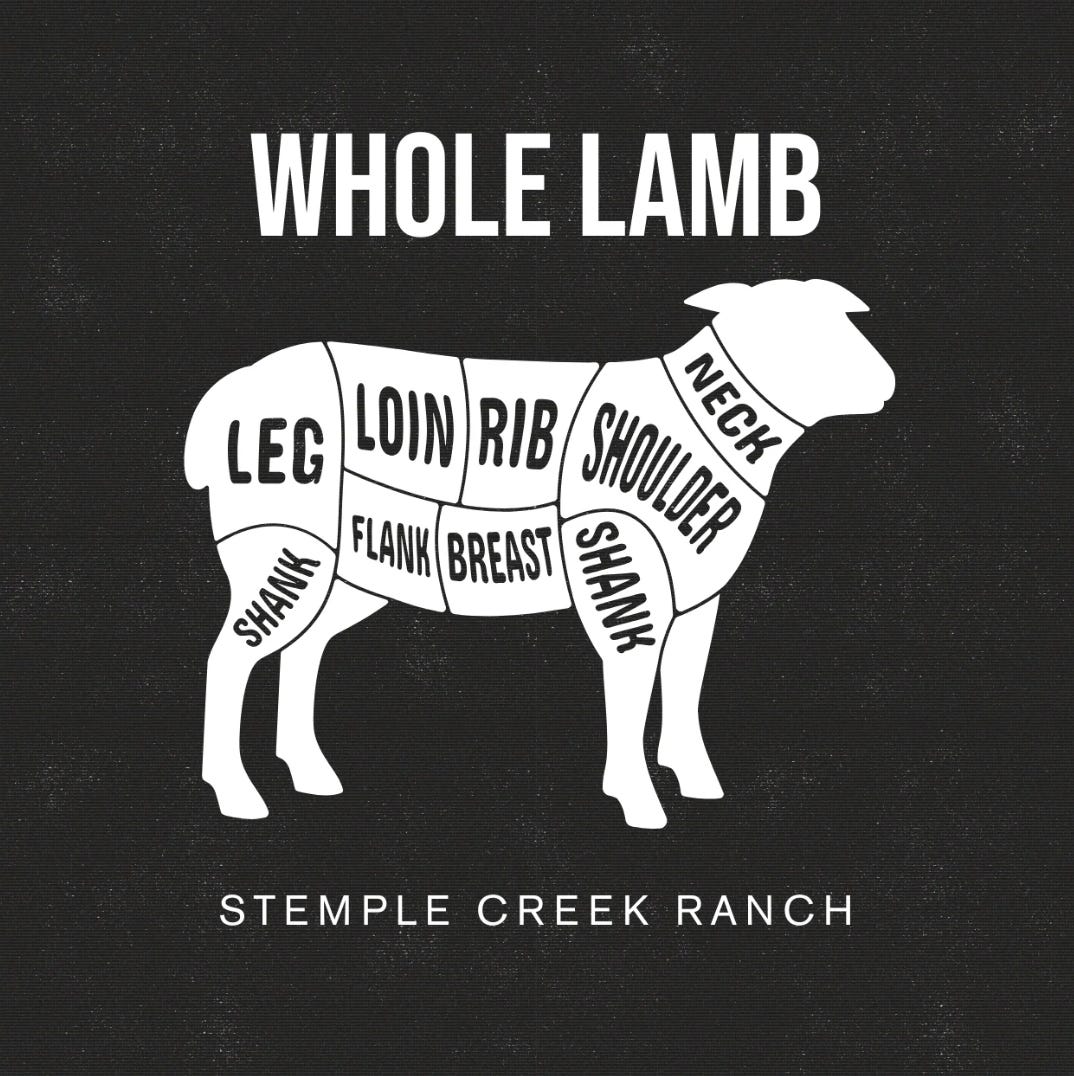
For our own family, we recently ordered a lamb from Stemple Creek Ranch—it’s a share model, 100% grass-fed and grass-finished, sized to stock the freezer for a while rather than a one-time dinner’s worth. It felt like a good example of Steve’s point: one thoughtful order instead of an entire overhaul.
So here’s my question for you: what’s one small swap you could make this week?
Hit reply or drop it in our community chat—I’d love to hear where you’re starting, and to swap sources and favorites with you.
This newsletter wouldn’t be possible without YOU! A huge THANK YOU to all who support my work here on Substack.
Knowing how our food is actually raised and grown affects every one of us, yet most of us are standing in the grocery aisle making guesses — is “grass-fed” the same as regenerative? Is “pasture-raised” just marketing?
If someone in your life has ever felt a little lost in buying better meat, or wants to start sourcing better food without overhauling their entire pantry overnight, please send this post their way. A share or a restack means more than you know.🧡
Thank you for helping this community grow!

P.S. If you already have a farmer, rancher, or source you love and trust, hit reply and tell me about them—I’m always adding to my own list.
P.P.S. If you’re interested in making lamb, it is an incredible, whole-food option. It is rich in complete protein, iron, and B vitamins—exactly what our cells need to thrive. Here are three foolproof, CGM-tested ways to bring lamb into your kitchen:
Creamy high-protein egg casserole Adding ground lamb to this easy breakfast casserole brings a rich, savory, and wonderfully earthy flavor that pairs perfectly with the eggs. It's an incredible way to hit that 30g protein goal first thing in the morning! (Note: Just click the link and scroll down to the bottom for the casserole recipe!)
Pot pie with bacon cheddar biscuits I’ve updated this comfort-food classic to be completely blood-sugar-friendly. Use lamb for a deeply nourishing, savory dish that the whole family will love.
The "build a healthy bowl" framework with lamb Don't want to follow a strict recipe? Use my simple bowl formula for blood sugar balance + metabolic health. Simply anchor your bowl with a foundational protein like seasoned ground lamb or leftover lamb kabobs, add a fiber-rich base like lupin rice, and top with veggies and ferments for a perfectly balanced meal in under five minutes.
Invite your friends and earn rewards!
If you enjoy Nest Wellness, share it with your friends and earn rewards when they subscribe!



Some links in this newsletter are affiliate links, meaning I may earn a small commission if you make a purchase. This helps keep Nest Wellness running at no extra cost to you. I only recommend what I truly believe in. Thank you for supporting this community!
 | A guest post by
|
Great post! Enjoyed the interview with Steve and his story. Answered a lot of my questions! Thank you!
Loved this interview and am thrilled to learn of Steve's work and story (subscribing now). Our philosophies are very much in alignment. As one of mentors, Dr. Daphne Miller, says, "body = soil" :). Thank you, Beth!